Date Started
2024
Groups Served
Justice-involved adults, people in recovery, and underserved youth across Eastern Kentucky
Number Served
433 active explorers and counting
Main Use Case
Regional workforce development, recovery-to-work, and youth career exploration
The Challenge / Opportunity
Eastern Kentucky’s workforce faces some of the steepest barriers in the nation. In rural Appalachian counties, economic opportunity can be limited by geography, poverty, and generations of underemployment. For individuals in recovery or reentering the workforce after incarceration, these barriers can feel insurmountable.
“Our mission is to prepare, advance, and expand the workforce of Eastern Kentucky,” explains Travis Winkler, IT Director. “But we realized we couldn’t do that without also reimagining how people access training and exposure to careers.”
The opportunity was clear: EKCEP needed a tool that could restore confidence and access simultaneously. When Miller’s team discovered Transfr’s VR career simulations, they saw more than a technology—they saw a bridge. A way to help people visualize success before they even set foot in a job.
The Transfr Connection
EKCEP launched its VR initiative in 2024, beginning with pilot programs for underserved youth and adults in recovery. The results were immediate and transformative.
Using Transfr’s immersive simulations, participants could experience hands-on training in dozens of in-demand fields—from nursing and welding to logistics and electrical work—without ever leaving their community.
“VR breaks down the physical and emotional barriers to learning,” says Winkler. “We don’t have to take someone to a worksite—they can explore safely and confidently wherever they are.”
Miller’s team quickly scaled the program across the region, deploying 35+ headsets to job centers, correctional facilities, recovery homes, and schools. Each headset became a mobile training center—equipped with opportunity.
Through EKCEP’s Recovery & Reentry program, over 113 individuals explored 187 different careers. Meanwhile, 138 youth in the Prosper Appalachia initiative discovered 186 unique career paths, sparking interest in industries they never knew existed.
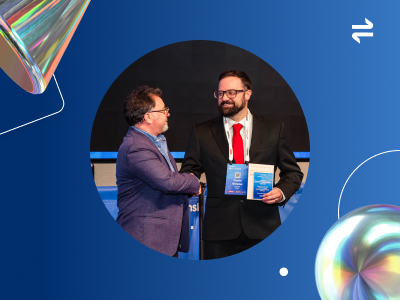
EKCEP’s outreach efforts turned VR into a catalyst for connection. Demonstrations at job fairs and recovery rallies drew in crowds, including a showcase at Kentucky’s State Capitol.
As Winkler puts it: “We’re not just preparing people for jobs, we’re helping them rebuild self-belief. That’s the first step to lasting success.”
Successes
EKCEP’s VR-powered model has reshaped how Eastern Kentucky defines access.
In just over a year:
• 154 users completed 324 simulations totaling more than 100 hours of career exploration.
• 91% of participants reported discovering new career interests.
• Programs reached justice-involved adults, recovering individuals, and rural youth who previously had no access to technical training.
At career centers, youth programs, and reentry facilities, the headsets are unlocking confidence and purpose. Students are now enrolling in local training programs, and adults in recovery are rejoining the workforce with practical insight into career options.
Winkler recalls one student who discovered his fear of heights through a tower technician simulation—then found his calling in construction instead. “That moment saved him from a wrong career path,” he says. “That’s what access does—it gives people clarity.”