
Build Pathways to Employment and Successful Reentry
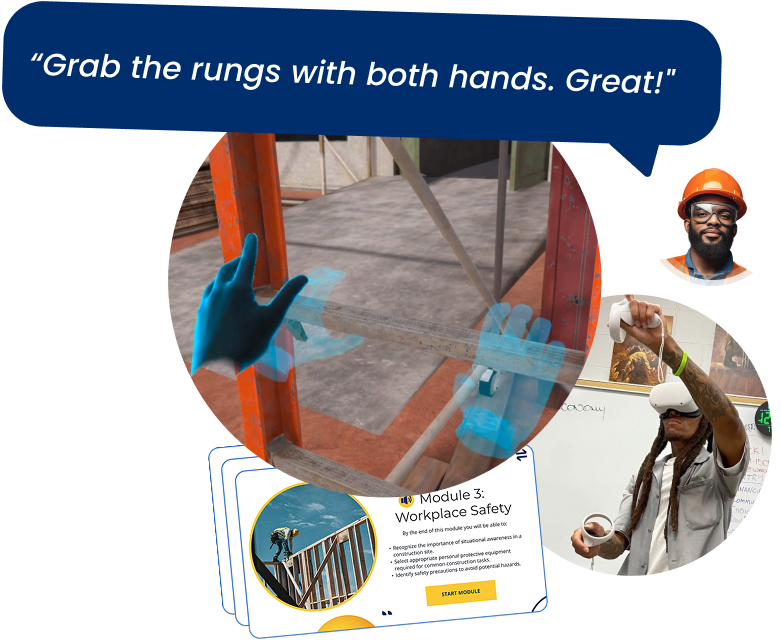
Transfr helps organizations support justice-impacted youth and adults as they explore careers and build job-ready skills through immersive programs.
.webp)
Solutions for the Challenges Facing Justice-Impacted Programs
Transfr expands career opportunities despite staffing, security, space, and resource constraints in correctional and community-based programs.
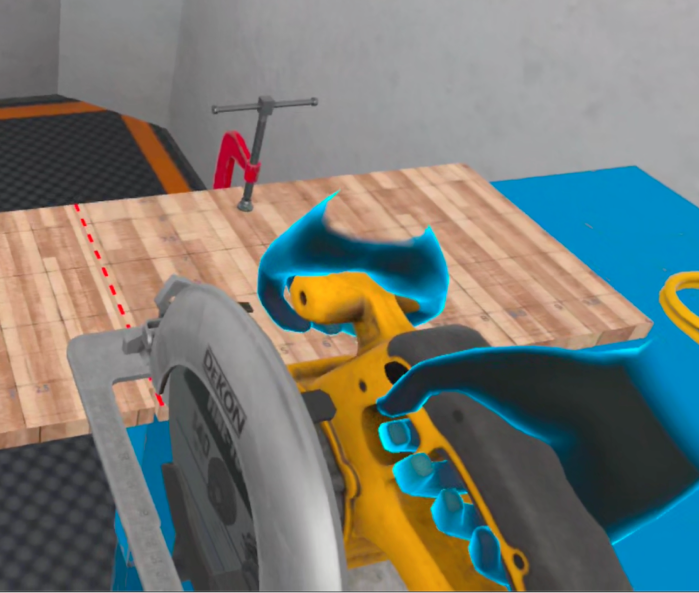
Build Scalable Training Without the Safety Risk
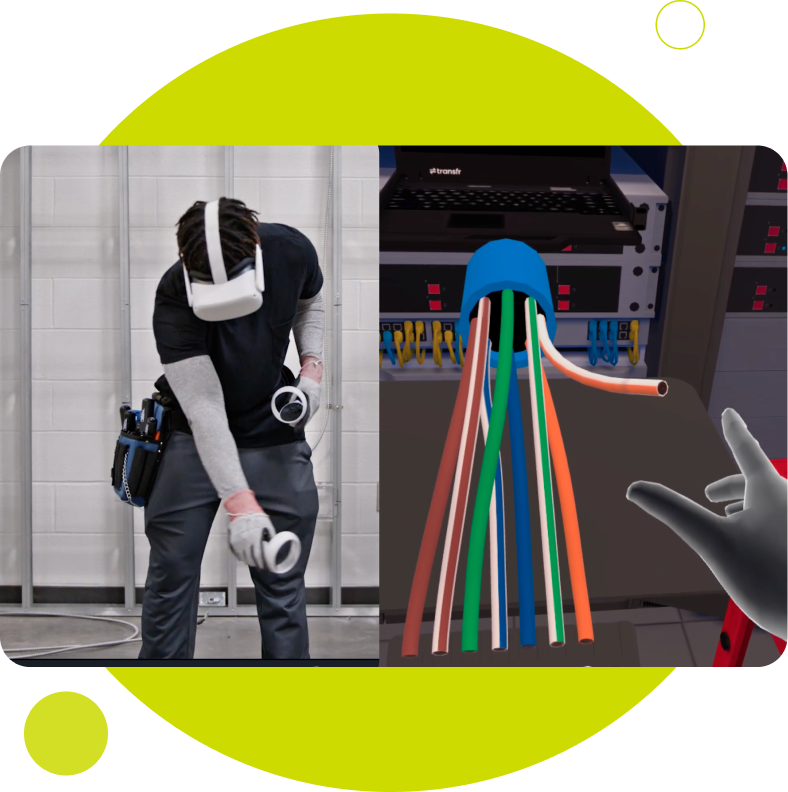
Deliver simulation-based technical training in electrical, welding, manufacturing, and construction, with no physical tools, consumables, or exposure to live equipment.

Compress Training Into the Pre-Release Window
Fit industry-aligned skill-building into structured Pre-Employment Programs designed to work inside the 6 to 9 month window before release.
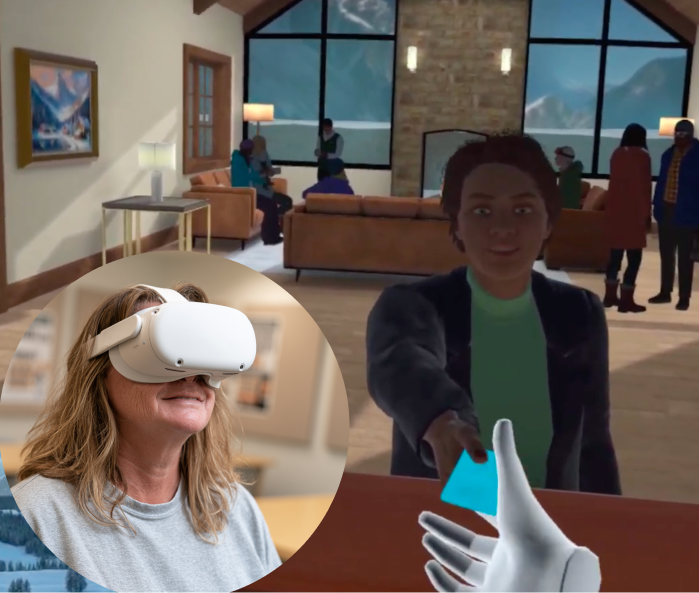
Connect Untapped Talent to In-Demand Careers
Replace idle time with direction. When learners can picture where they are headed, programming gains a sense of purpose and permanence that behavior charts alone cannot create.
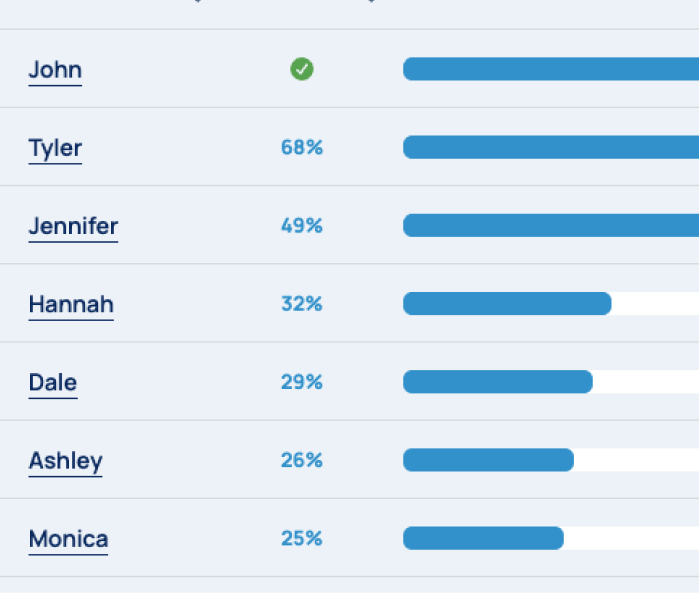
Turn Progress Into Proof of Readiness
Document learner progress with measurable skill data that supports release planning, strengthens employer confidence, and helps demonstrate workforce outcomes to funders and community partners.
How Transfr Supports Learners
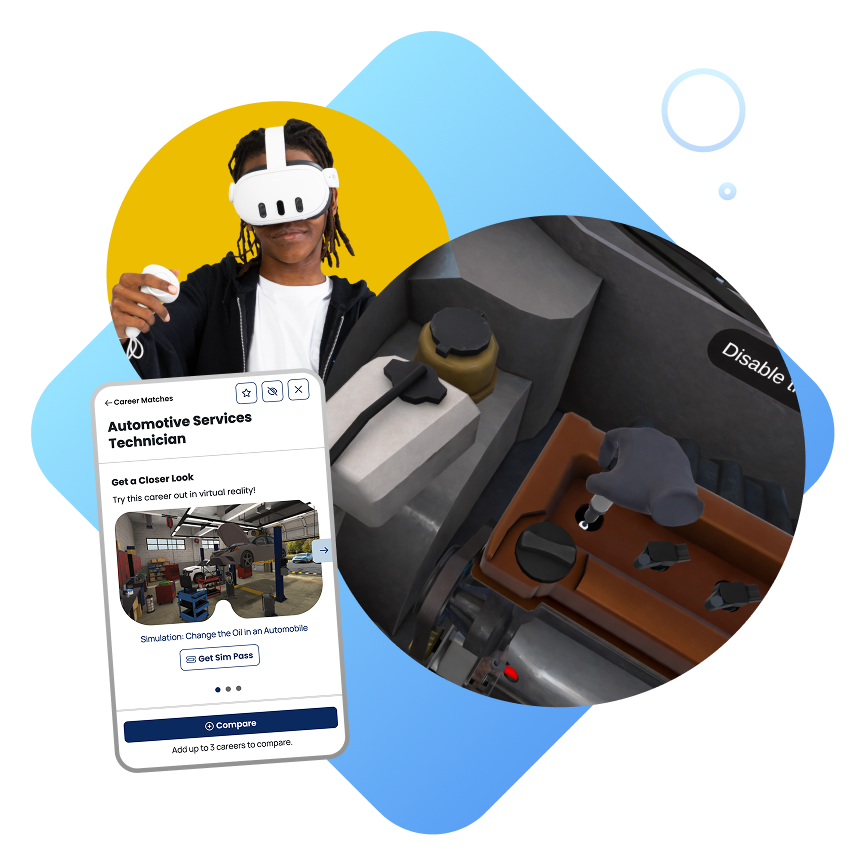
Learners safely try on different careers in a low-stakes way, discovering what fits and building a plan they can carry into reentry.
More than 300 simulations across eight high-growth industries let learners build career-relevant skills and confidence in a safe environment, with no expensive consumables.
Quickly prepare individuals for workplace or apprenticeship success through structured, 20-hour multimodal programs that build industry-recognized competencies.
.png)

.svg)
Flexible Across the Justice Continuum
Organizations use Transfr in correctional facilities and community-based programs to expand career exploration, build workforce skills, and support employment pathways before and after release.
Reentry & Pre-Release Programming
Help individuals explore career pathways, build foundational skills, and prepare for employment before returning to their communities.

Community & Probation Programs
Extend career exploration and workforce development beyond release, supporting continuity between justice, workforce, and community-based programs.

Juvenile Detention Programming
Turn time in juvenile detention into an opportunity for career exploration, skill building, and exposure to pathways youth may not otherwise know exist.

In-Facility Skill Building
Provide opportunities to explore, practice, and strengthen skills connected to in-demand careers without space, equipment, or safety requirements of training labs.

KEY FEATURES
Built to Work Within Your Reality
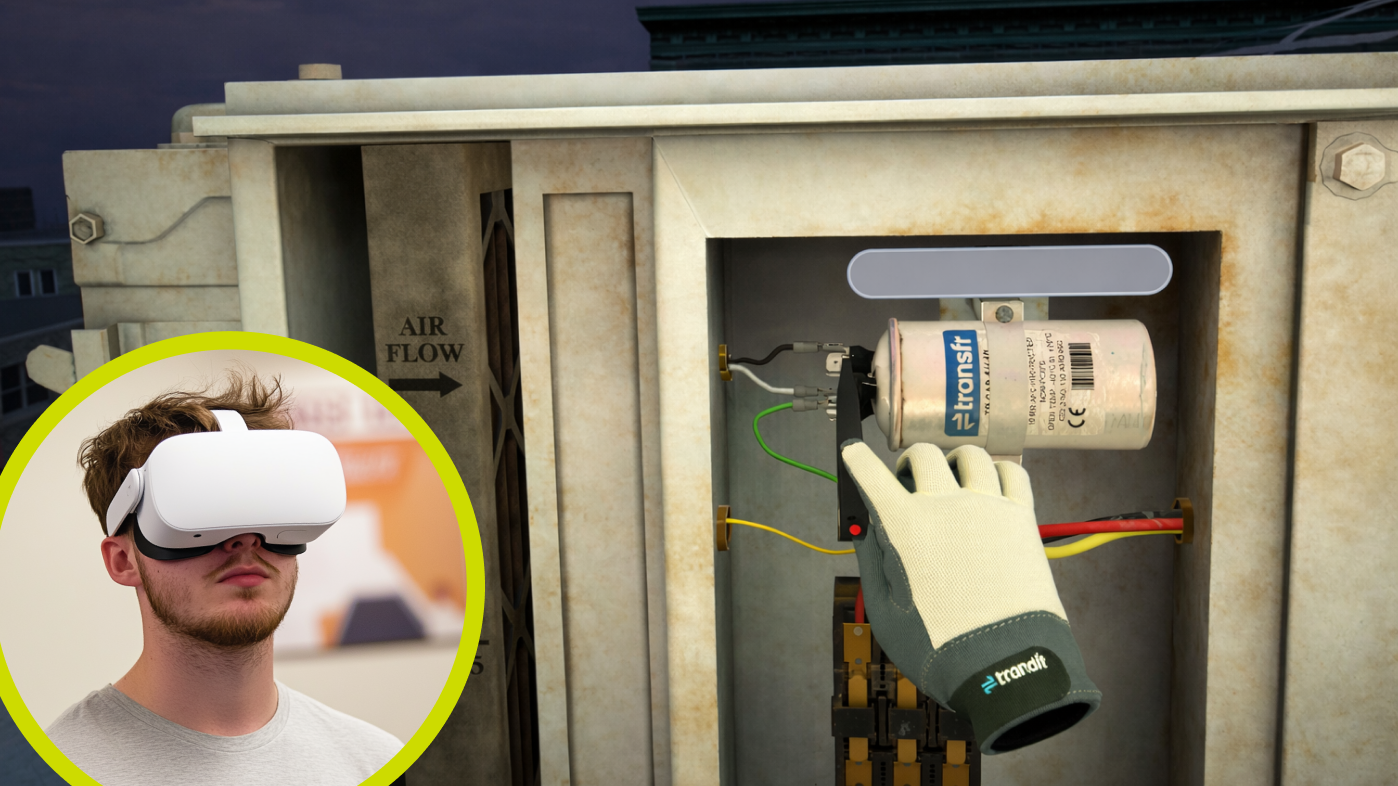
No Lab. No Materials. No Subject Matter Expert.
Give learners hands-on career exposure without the space, equipment, or specialized staff traditional training requires.
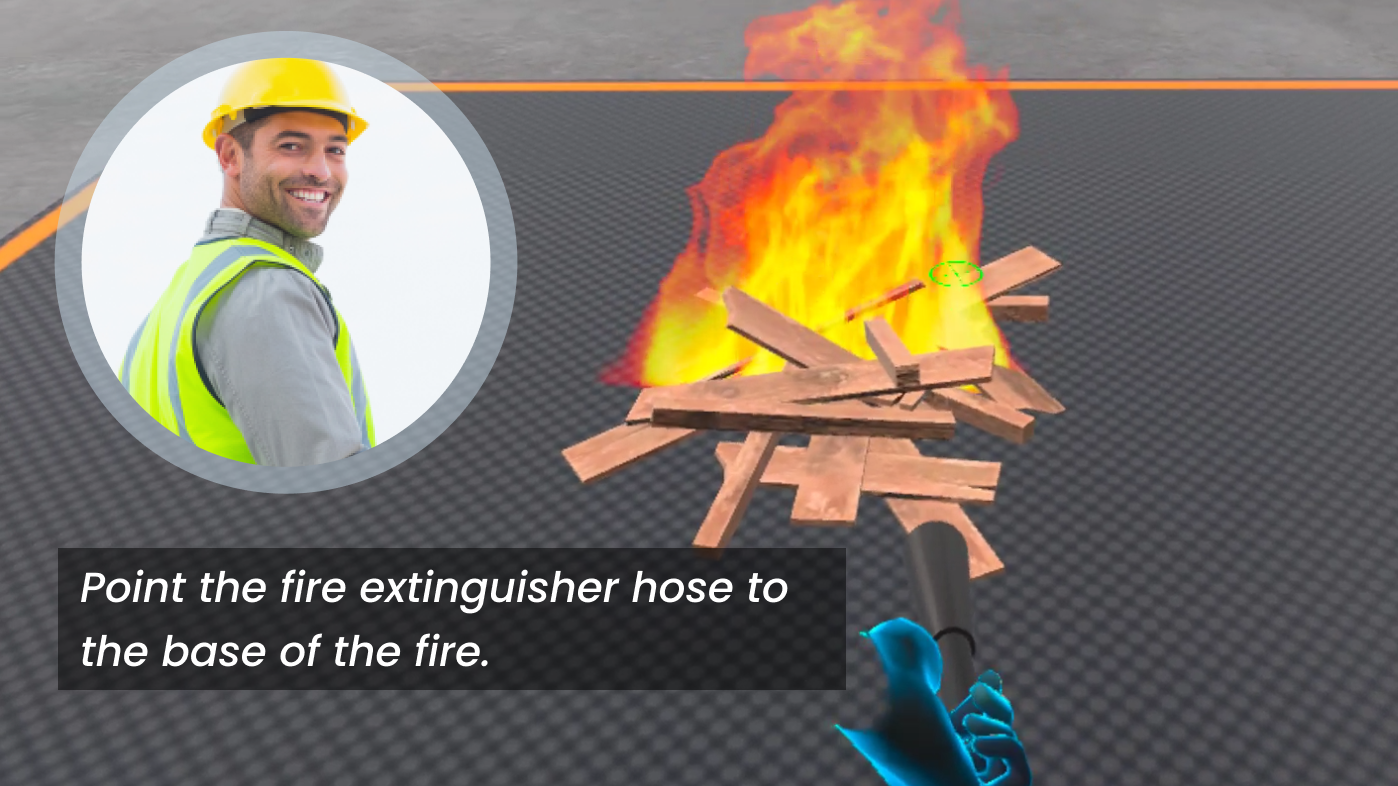
Guidance Built Into Every Experience.
A digital coach guides learners through each experience (English or Spanish subtitles), so programs can deliver training with flexible staffing.
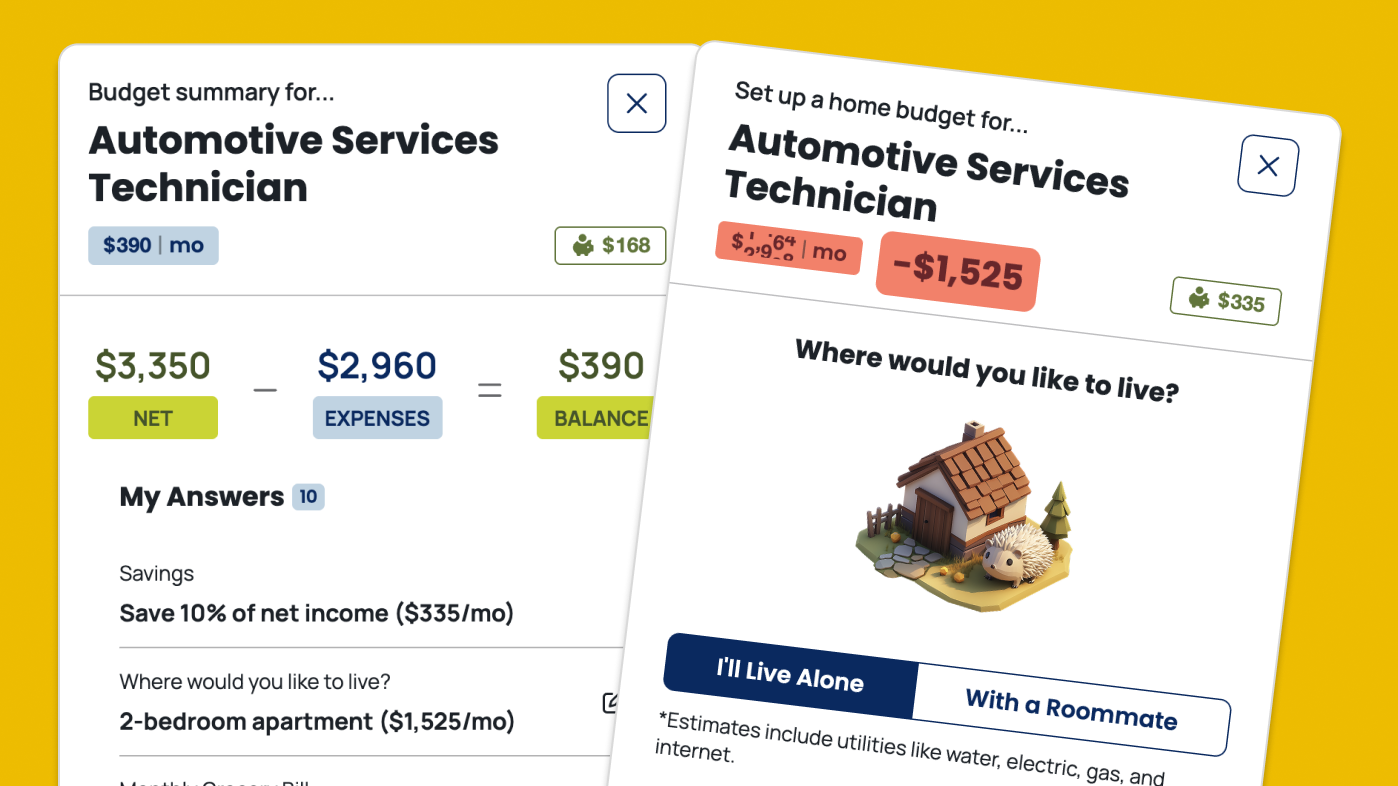
Explore. Plan. Prepare for What's Next.
Learners set career goals, map local pathways, and build a budget using real wage data, turning exploration into a plan for stability.
Partner Spotlight: From Juvenile Justice to Job Training
See how Allen County Juvenile Center is bringing together partners across Fort Wayne to expand access to opportunity for justice-involved youth and help break cycles of violence, system involvement, and poverty.
Frequently Asked Questions
Tools & Insights for Justice-Impacted Programs


Build Pathways to Opportunity
Whether you serve individuals before release, youth in detention, or community-based workforce programs, Transfr can expand access to career exploration, skill building, and employment pathways.
Complete the form to connect with our team and explore how Transfr can support your goals.