
From Second Chances to First Opportunities
Transfr helps organizations support justice-impacted youth and adults as they explore careers and build job-ready skills through immersive programs.




.webp)
Solutions for Today's Justice-Impacted Challenges
Transfr’s programming works within facility constraints, no expensive labs, no safety risk, and no dependence on specialized instructors.
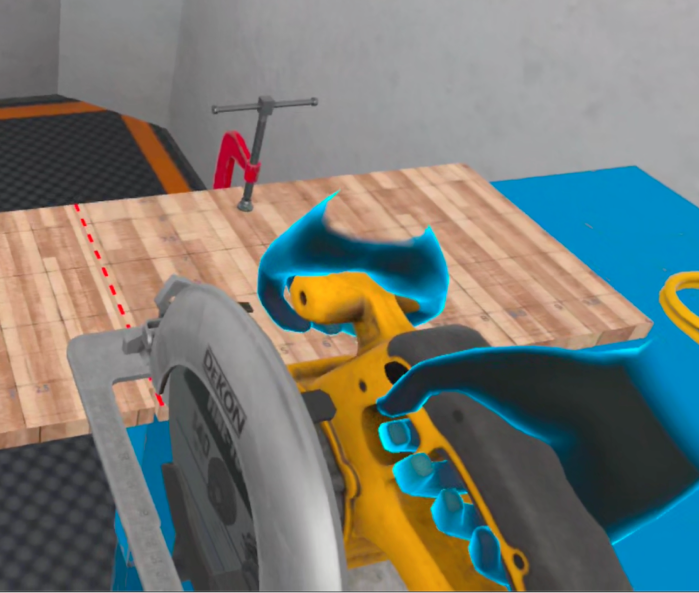
Build Scalable Training Without the Safety Risk
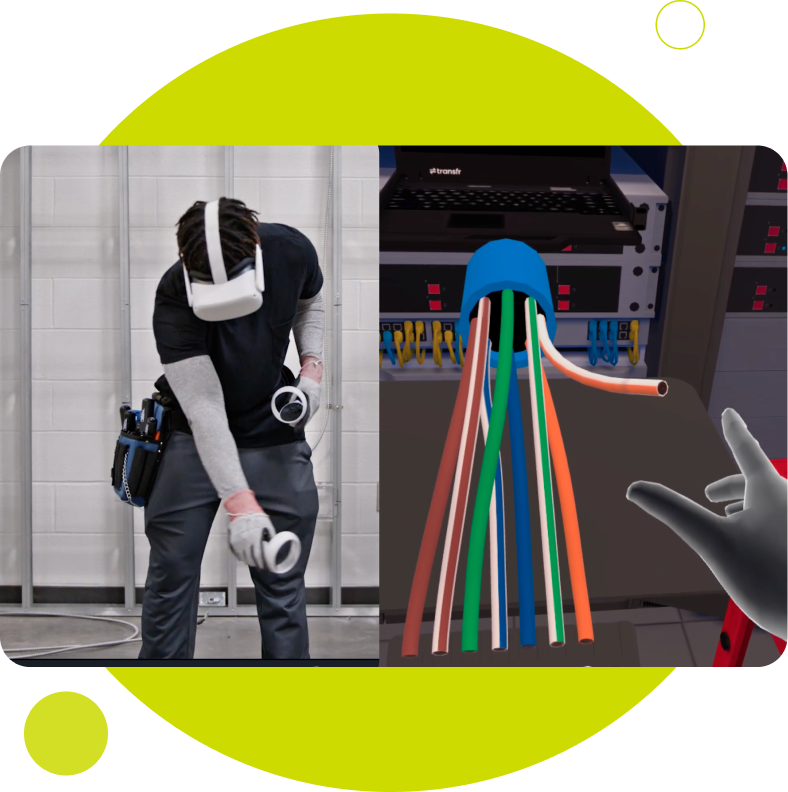
Deliver simulation-based technical training in electrical, welding, manufacturing, and construction, with no physical tools, consumables, or exposure to live equipment.

Compress Training Into the Pre-Release Window
Fit industry-aligned skill-building into structured Pre-Employment Programs designed to work inside the 6 to 9 month window before release.
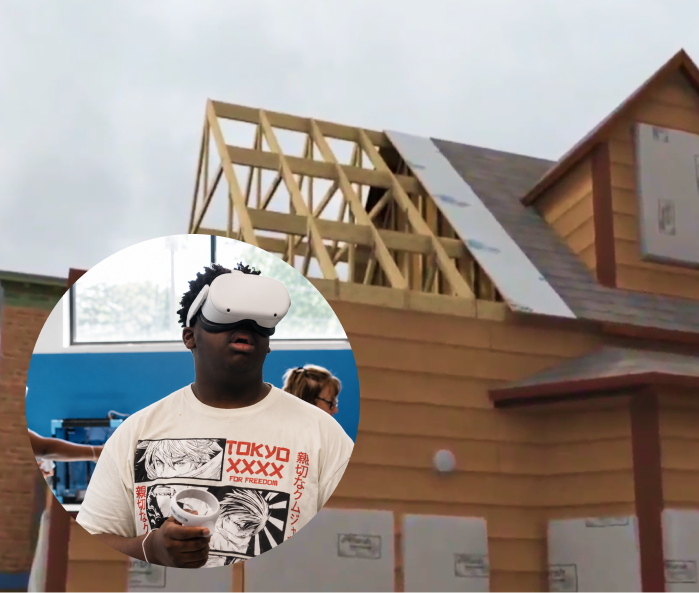
Shift From Behavior Management to Aspiration
Replace idle time with direction. When learners can picture where they are headed, programming gains a sense of purpose and permanence that behavior charts alone cannot create.
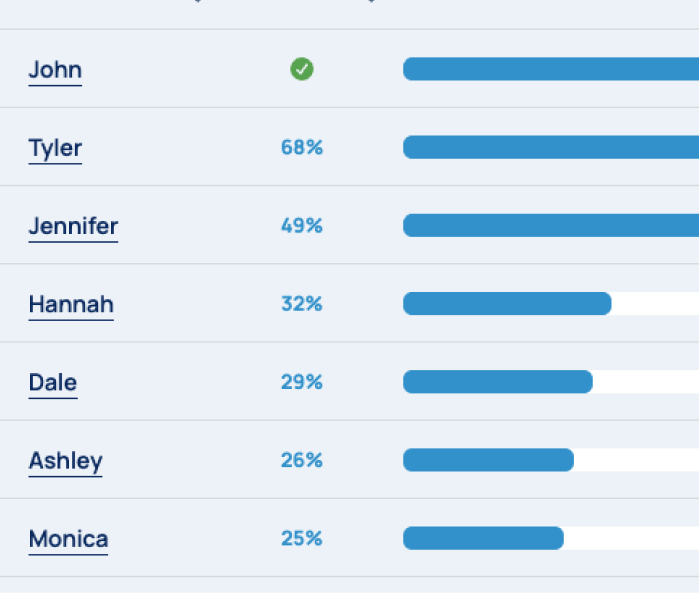
Document Readiness for Parole Boards and Employers
Export mastery-level proficiency data that staff can hand to parole boards, reentry partners, and employers as verifiable proof of job-readiness, and that maps to the WIOA performance measures your funding is judged on.
How Transfr Supports Learners
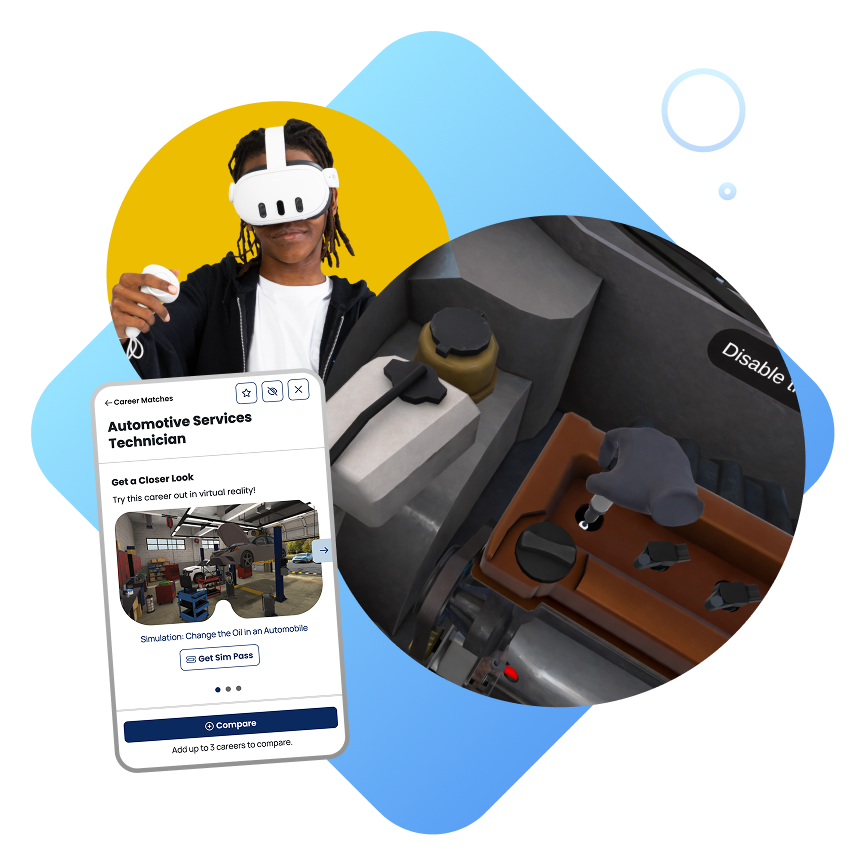
Learners safely try on different careers in a low-stakes way, discovering what fits and building a plan they can carry into reentry.
More than 300 simulations across eight high-growth industries let learners build career-relevant skills and confidence in a safe environment, with no expensive consumables.
Quickly prepare individuals for workplace or apprenticeship success through structured, 20-hour multimodal programs that build industry-recognized competencies.
.png)

.svg)
The Perfect Complement for Your Justice-Impacted Program
Here are a few ways DOC facilities, county jails, and juvenile justice partners are putting Transfr to work across the pre-release and post-release continuum.
Reentry Programming
DOC facilities partner with workforce boards and unions for direct hiring after release, helping employers see resilient, ready talent rather than a record.

Probation & CBO Handoffs
Interest and mastery data hand off cleanly to probation departments and community-based organizations.

Juvenile Detention Programming
Vocational discovery replaces idle time with career exposure inside youth facilities.

In-Prison Skill Building
Train, practice, or refresh foundational skills relevant to employment

KEY FEATURES
Built for Facility Realities
Secure and Portable
Headsets can be configured to operate offline, without WIFI access.
Personalize Guidance
A patient digital coach guides learners through each simulation, with English or Spanish subtitles available.
Build Financial Literacy
Learners build a monthly budget based on their career interests using localized data.
Partner Spotlight: From Juvenile Justice to Job Training
See how Allen County Juvenile Center created partnerships in Fort Wayne to create access for justice-involved youth with a goal of breaking cycles of violence, incarceration/monitoring, and poverty.
Frequently Asked Questions



Let’s Connect
Build a Credential-Aligned Path to EmploymentBody: Complete the form and someone from our team will reach out, answer your questions, and share why DOC facilities, county jails, and juvenile justice partners choose Transfr to build documented, credential-aligned pathways to employment before release.