

Webinar
Reimagining Workforce Development
How Local Leaders Drive Scalable Innovation Session
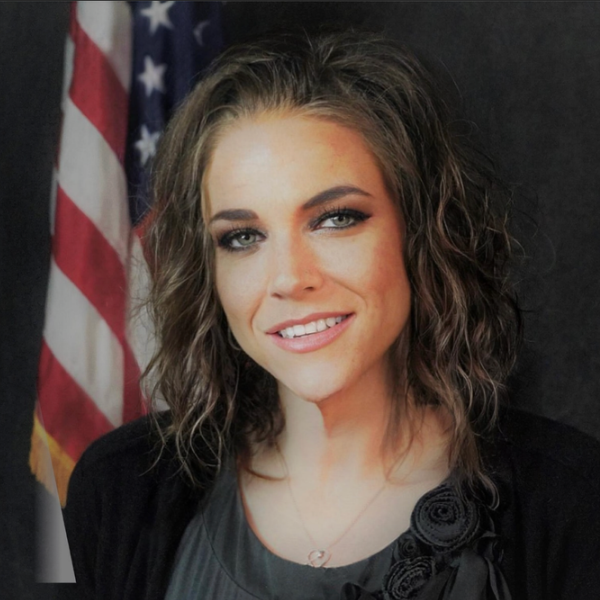
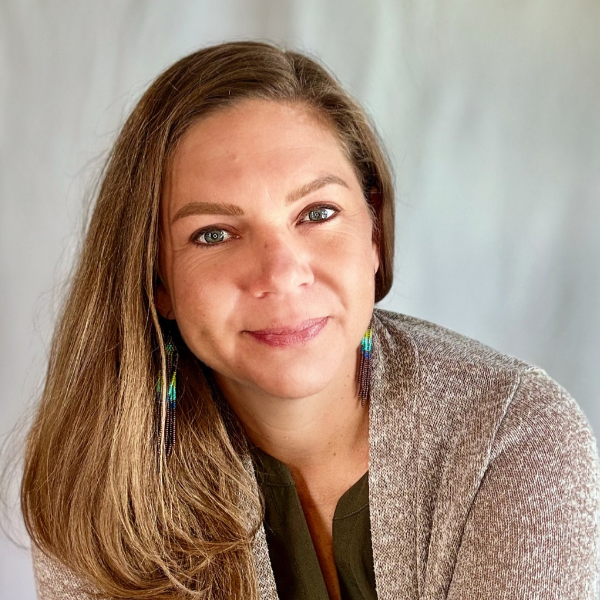
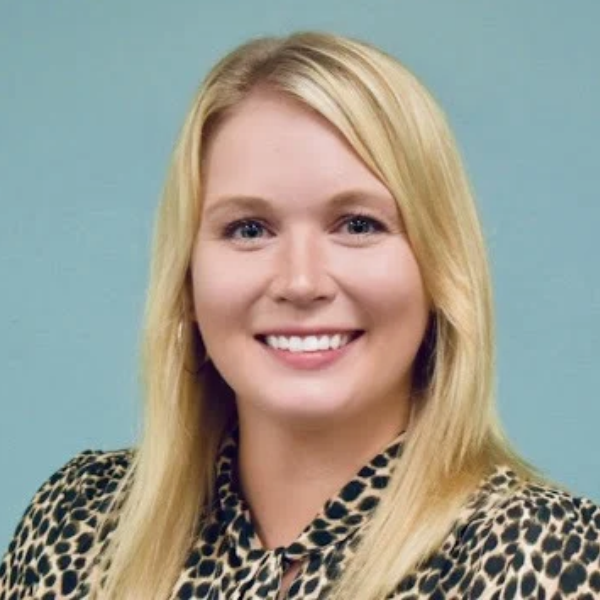
At this year’s XR Futures Forum, a dynamic panel of workforce innovators showed what it really looks like to modernize training systems from the ground up. Moderated by Johnnie-Lynn Crosby, Government Relations Manager at Transfr, the conversation spotlighted local leaders who are rethinking access, funding, and service delivery—especially for justice-involved individuals, rural communities, and people with disabilities
Date
0
Days
0
Hours
0
Mins
0
Secs
Key Takeaways
- Meet People Where They Are—Not Just at the Job Center: From virtual appointments to embedding services in correctional facilities and community spaces, local teams are moving beyond brick-and-mortar-only models.
- Supportive Services Aren’t “Extra”—They’re Essential: Panelists challenged the fear around using funds for supportive services and showed how policy flexibility and creative funding unlock real, immediate impact.
- Braided Funding = Braided Impact: Thoughtful braiding of WIOA, VR, state discretionary grants, and private partners like Comcast makes it possible to support the whole person, not just a training line item.
- VR as a Magnet for Engagement and Partnership: Bringing VR into schools, job centers, and correctional facilities flipped the script: suddenly students and justice-involved individuals were seeking out workforce staff.
- Listen First, Then Build the Coalition: Whether working with employers, schools, or community organizations, the panelists emphasized starting with listening—not a pre-baked solution. By understanding each partner’s real pain points, they co-created programs that serve shared goals like talent pipelines, retention, and local economic mobility.

Jacqueline Allen
Jerri Bowles
Callie Davis
Hilary Lyle

Johnnie-Lynn Crosby