

Webinar
Grassroots to Government
XR Innovations Building Community Session
At this year’s XR Futures Forum, a standout session brought together leaders from K–12 schools, national career organizations, and federal workforce policy to explore how immersive learning can drive real, scalable change. Moderated by Transfr Founder, Bharani Rajakumar, the panel uncovered how XR is reshaping the future of workforce readiness—from a single classroom all the way to national systems.
Date
0
Days
0
Hours
0
Mins
0
Secs
Key Takeaways
- XR Is Closing the Experience Gap: With workplace exposure at an all-time low for high schoolers, XR provides authentic, real-world practice—bringing field trips, job trials, and industry mentorship directly into the classroom.
- Skills-First Pathways Break Cycles of Disconnection: Programs like SkillsUSA and FFA demonstrate that hands-on, career-connected learning boosts engagement, builds confidence, and offers alternatives to the classroom-to-prison pipeline
- Start Small, Scale Big: Many statewide and national initiatives began with just one educator and one student.
- Policy Must Catch Up to Innovation: Outdated academic-only models and limited CTE funding constrain learner progress.
- Community Ecosystems Matter: When schools, employers, families, and policymakers collaborate, students gain not just skills—but identity, purpose, and belonging.
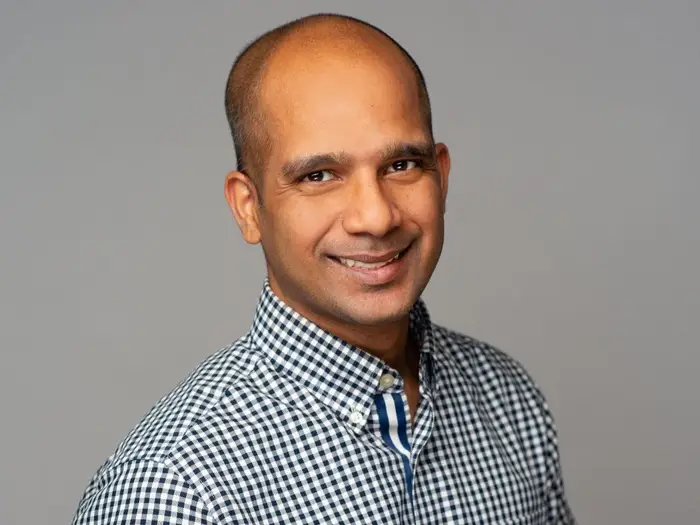
Bharani Rajakumar
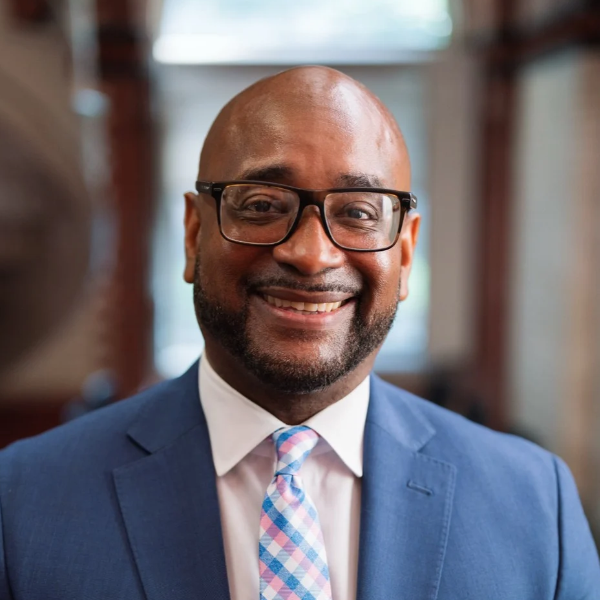
George Patterson
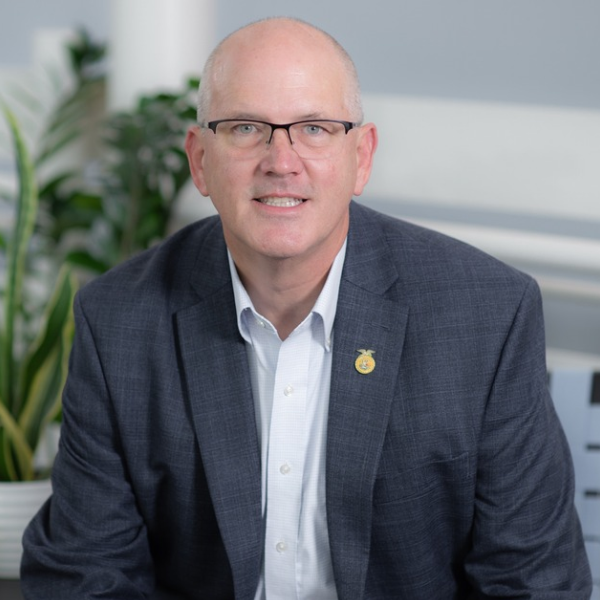
Scott Stump
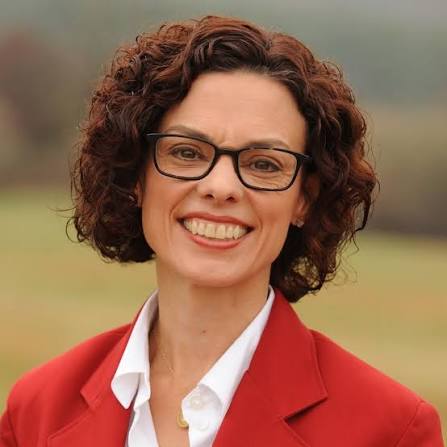
Chelle Travis